
THE BUILDING
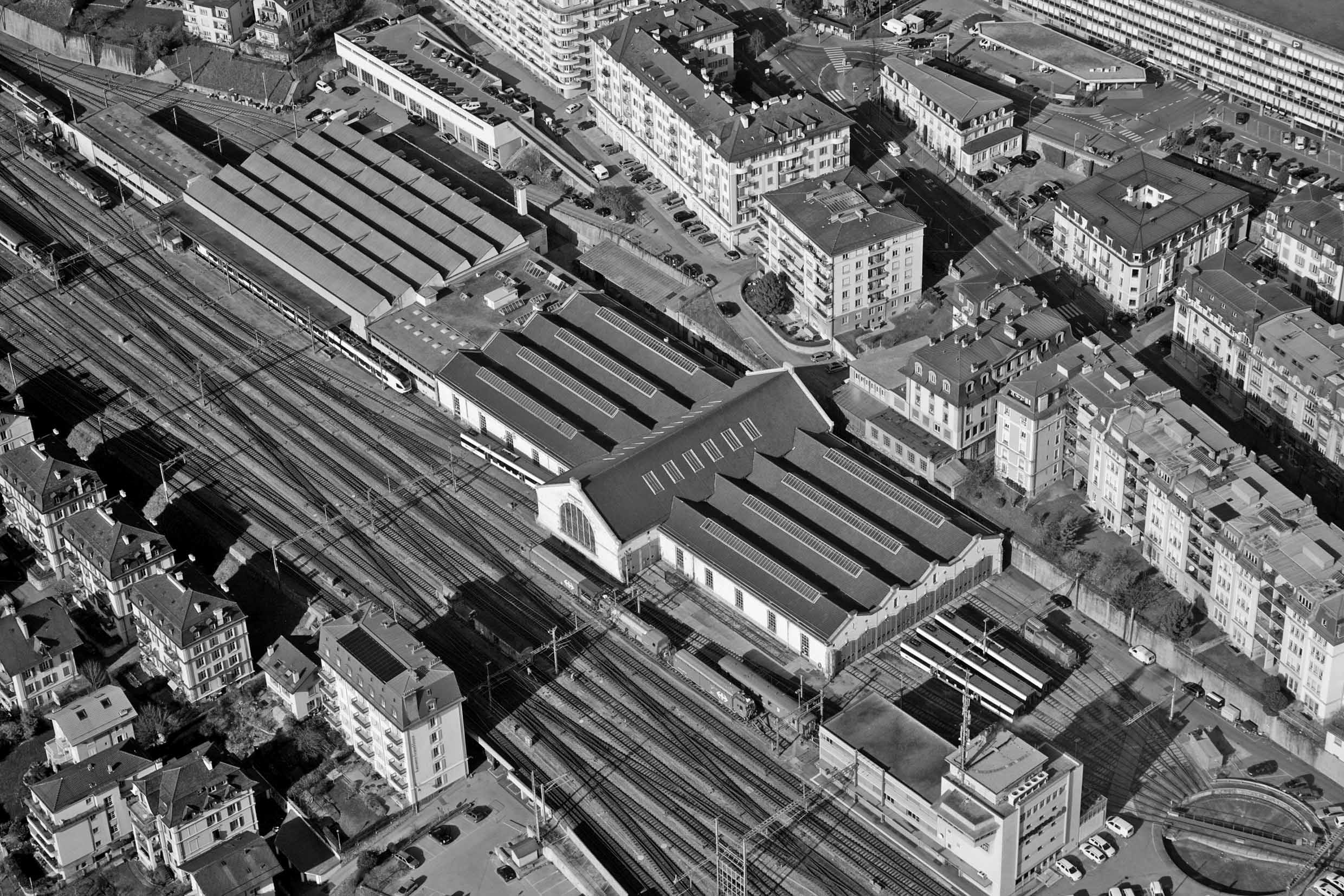
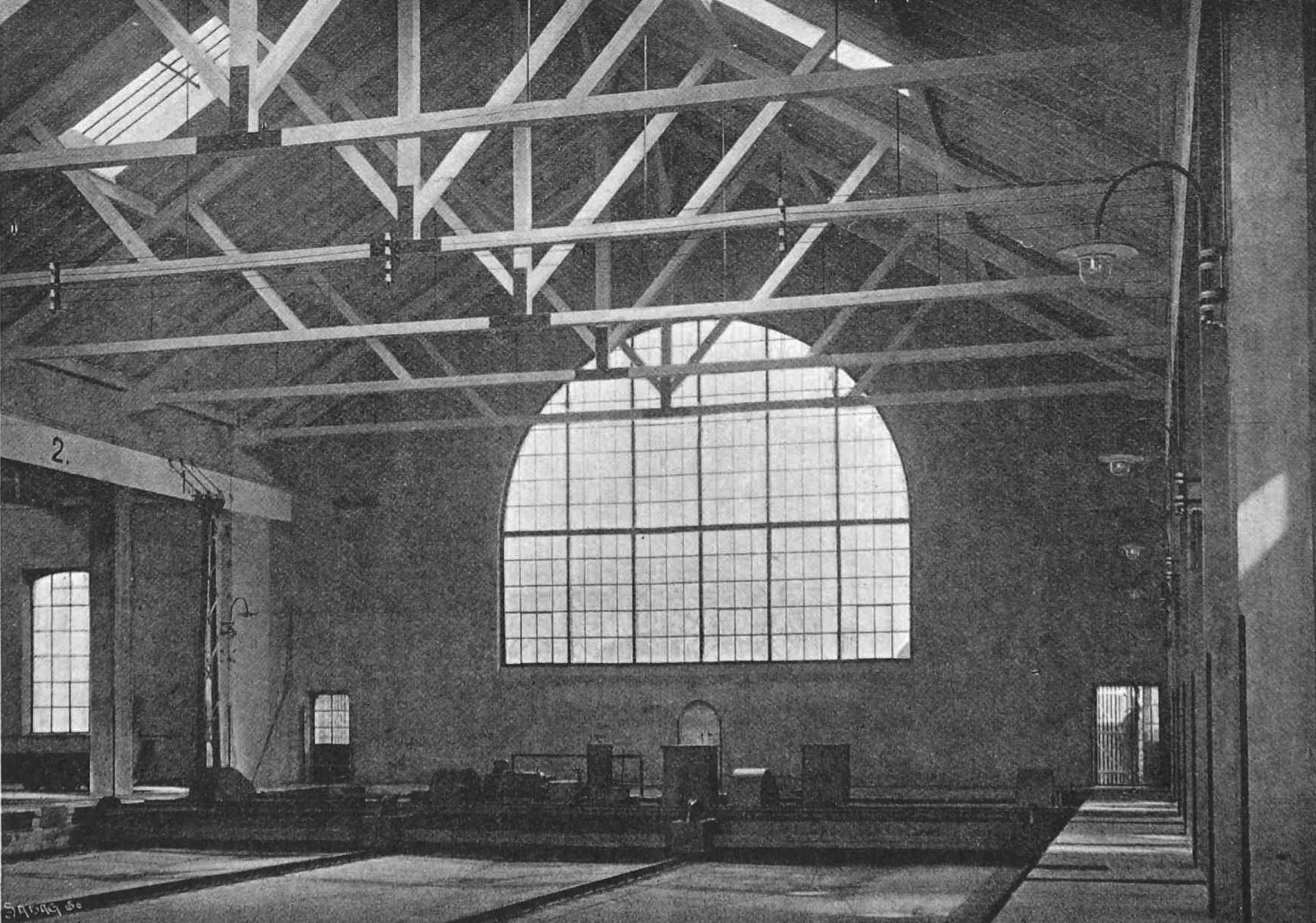
SBB locomotive depot in Lausanne (1911)
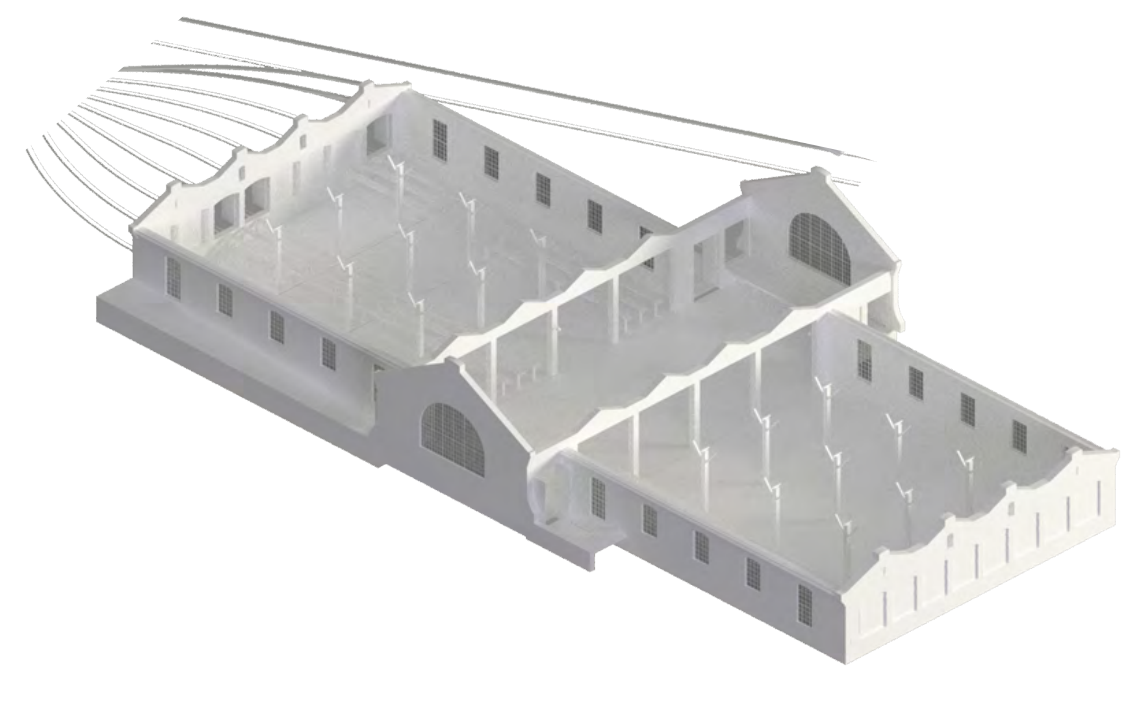
ARCHITECTURE AT THE SERVICE OF RAILWAY HERITAGE
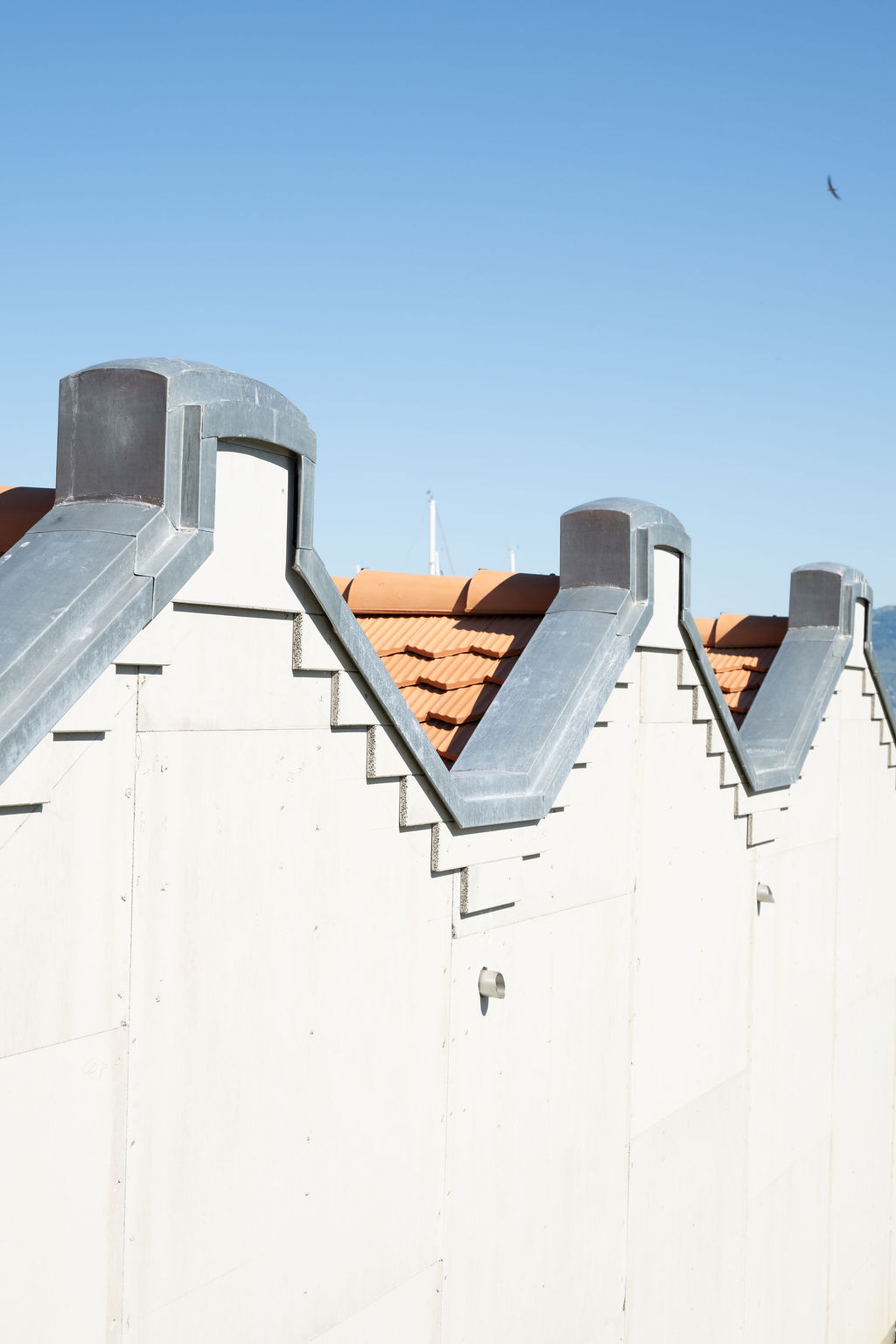
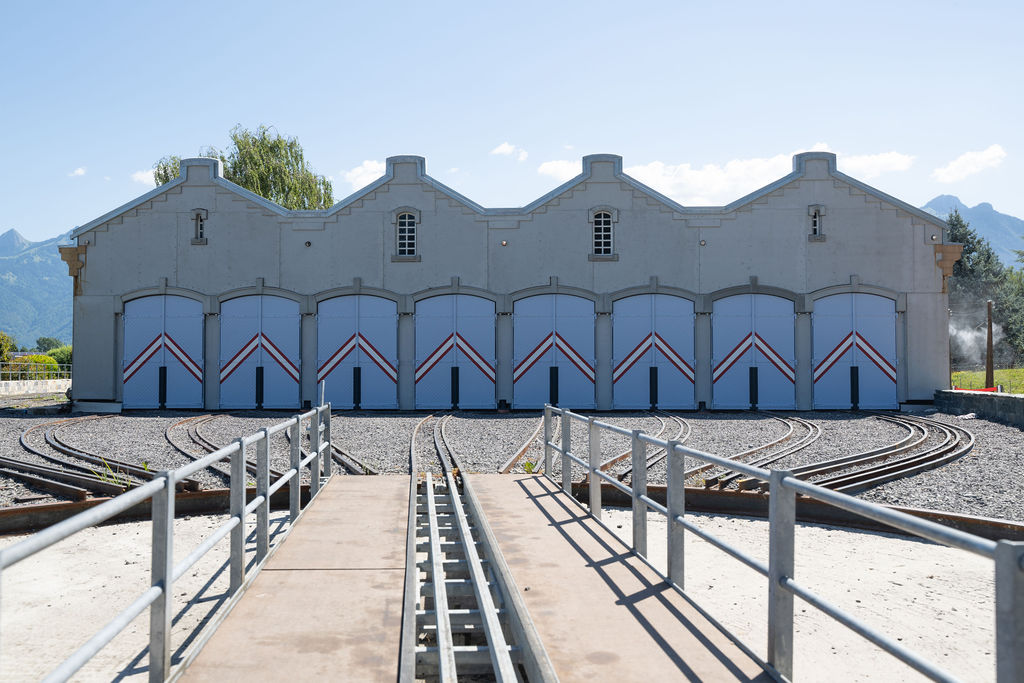
The establishment of the Swiss Museum of Live Steam Model Making, in the heart of the Swiss Vapeur Parc, is a real architectural challenge. Integrated into the overall development of the park’s extension sector developed in 2014, the museum is now the largest building in terms of its dimensions, while being consistent with the décor and architectural identity of the site.
The museum complex is built around a 300m² building, completed by an outdoor space for heating steam locomotives, a bundle of tracks in front of the building and a turntable. This complex makes it possible to ensure shunting, the sorting of rolling stock and its direct access to the Swiss Vapeur Parc rail network.
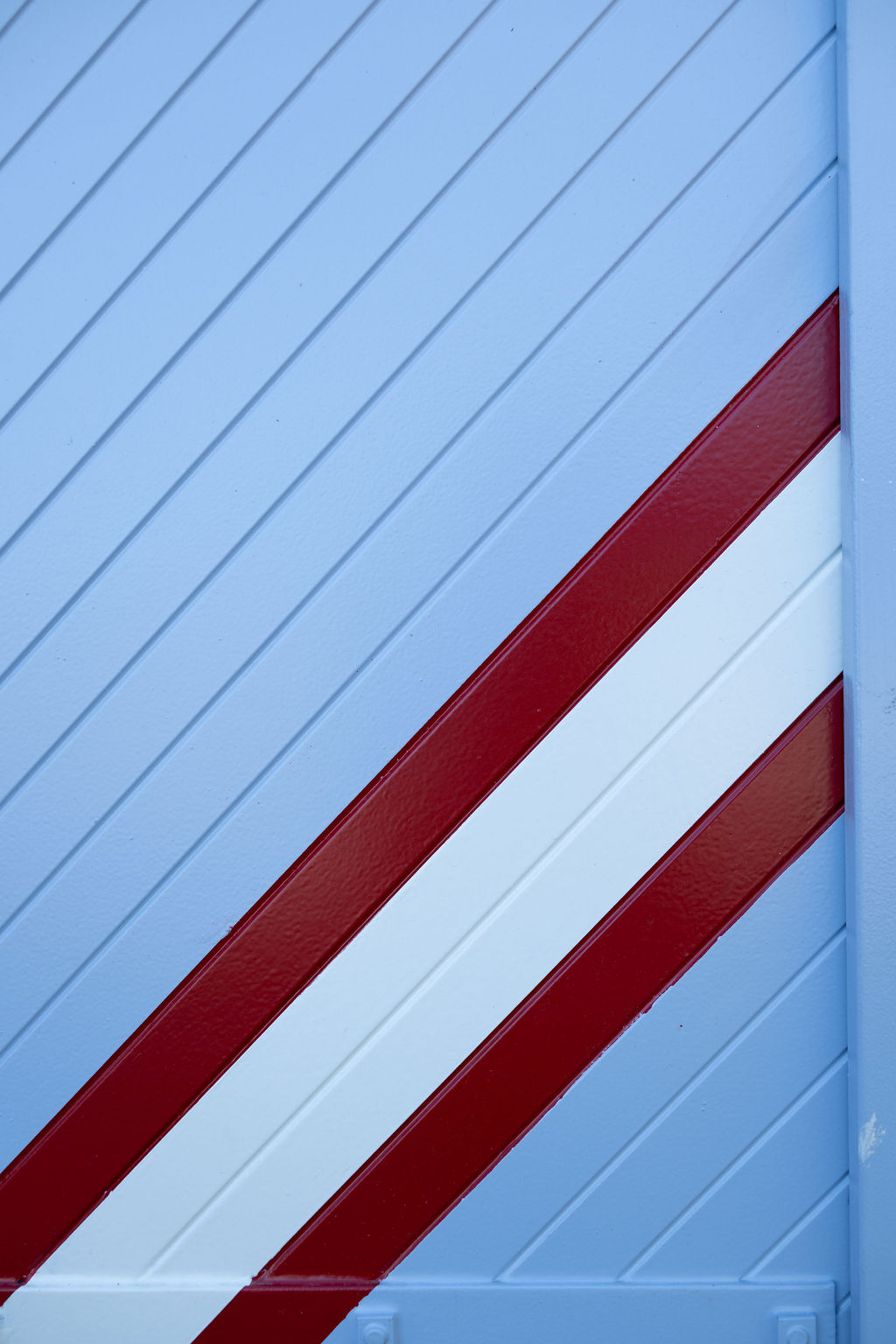
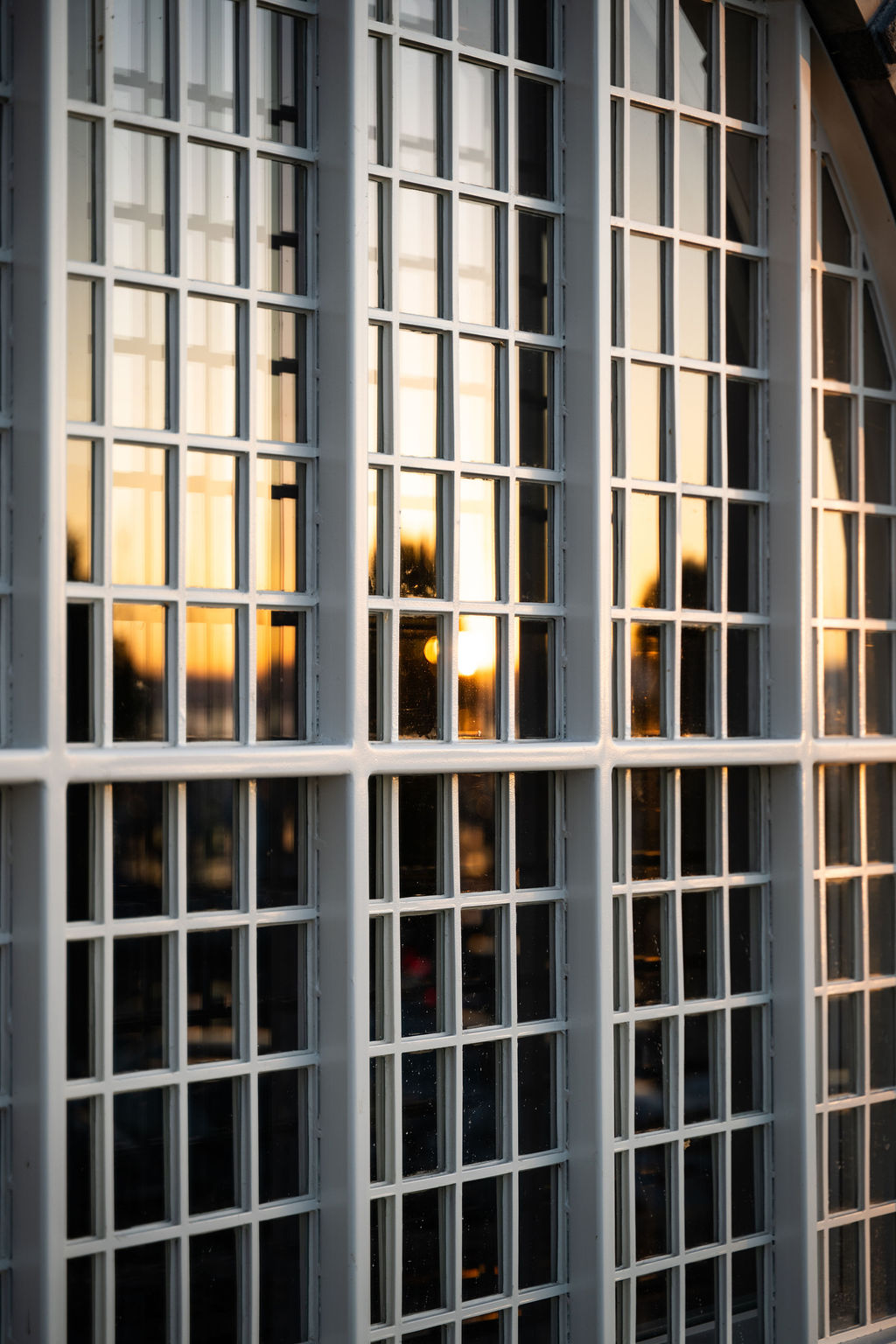
The design of the building has endeavoured to faithfully reproduce the spirit and architectural characteristics of the railway depot from which it is inspired. Thanks to the valuable support of the archives of the SBB, the City of Lausanne and several private collections, extensive documentary research has made it possible to recreate an immediately identifiable architecture, evoking at first glance this mythical repository that has now disappeared.
Through this project, the Swiss Museum of Live Steam Modelling brings together railway memory, architectural heritage and a passion for model making, in a place designed for the conservation, presentation and movement of exceptional collections.
AN EXCEPTIONAL BUILDING
Built between 1909 and 1911 to the west of Lausanne station, this locomotive depot illustrated the profound transformations of the railway at the beginning of the twentieth century. In view of the rapid increase in traffic and the number of locomotives, SBB built a large, rational building with particularly modern technical equipment.
Unlike traditional depots organized around a rotunda and a plate
The one in Lausanne was made up of large rectangular halls. Locomotives could be moved from one track to another thanks to an electric transfer trolley capable of supporting about 130 tons. This device facilitated manoeuvring and made efficient use of the available space.
The most remarkable innovation, however, concerned the treatment of steam locomotive fumes. The proximity of the city and Montbenon meant that nuisances had to be limited. The engineers developed a system in which the fumes were sucked in and then washed by water injection before being evacuated through high chimneys. Still exceptional in Switzerland at that time, this process testified to an early desire to reconcile activity
technical progress and the urban environment.
Workshops, stores, maintenance facilities and staff quarters completed this complex designed to function as a real “machine” in the service of the railway.
The replica presented here in 1/4 scale restores the appearance of this emblematic building,
witness to more than a century of railway history.



A DEMANDING AND TAILOR-MADE CONSTRUCTION
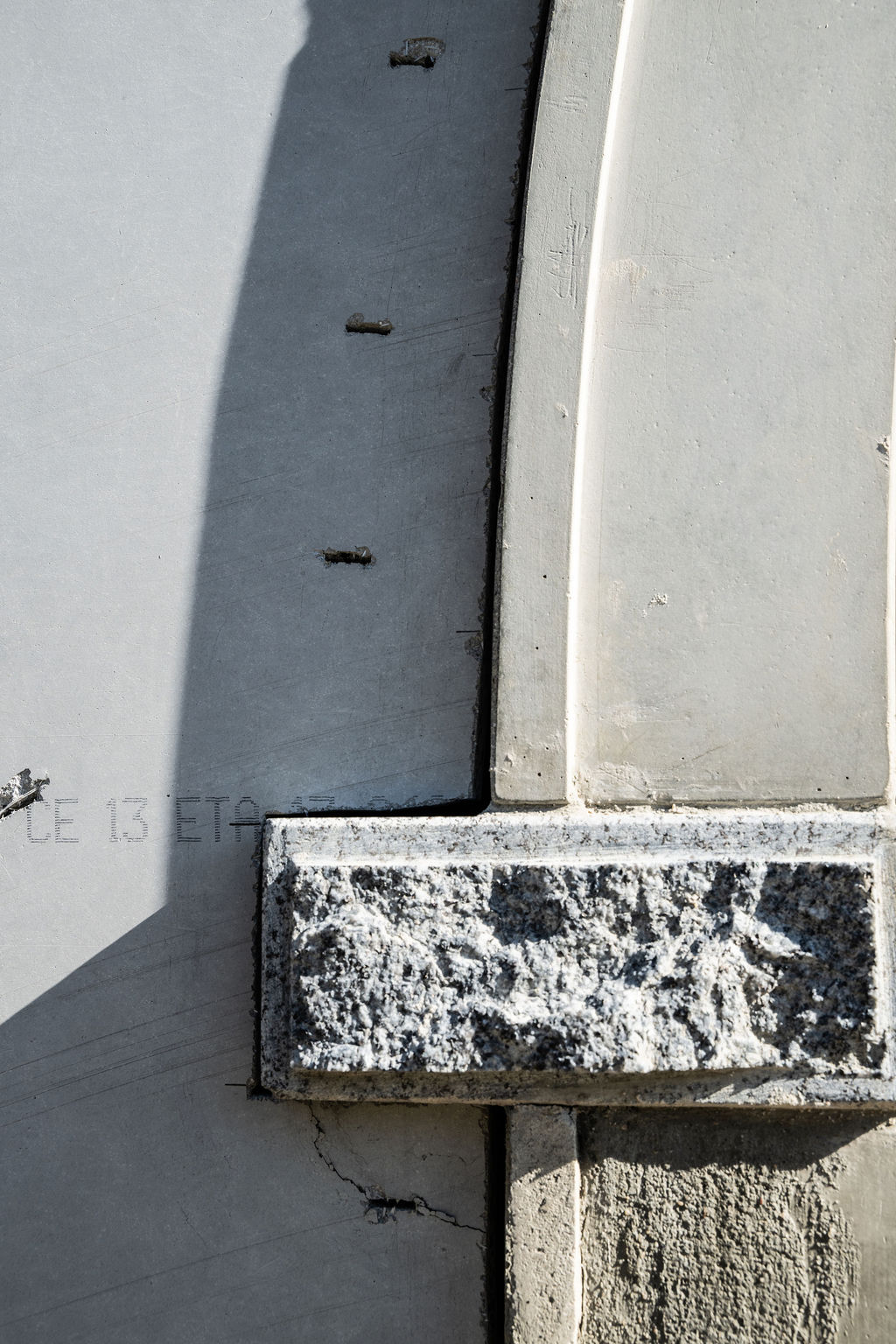
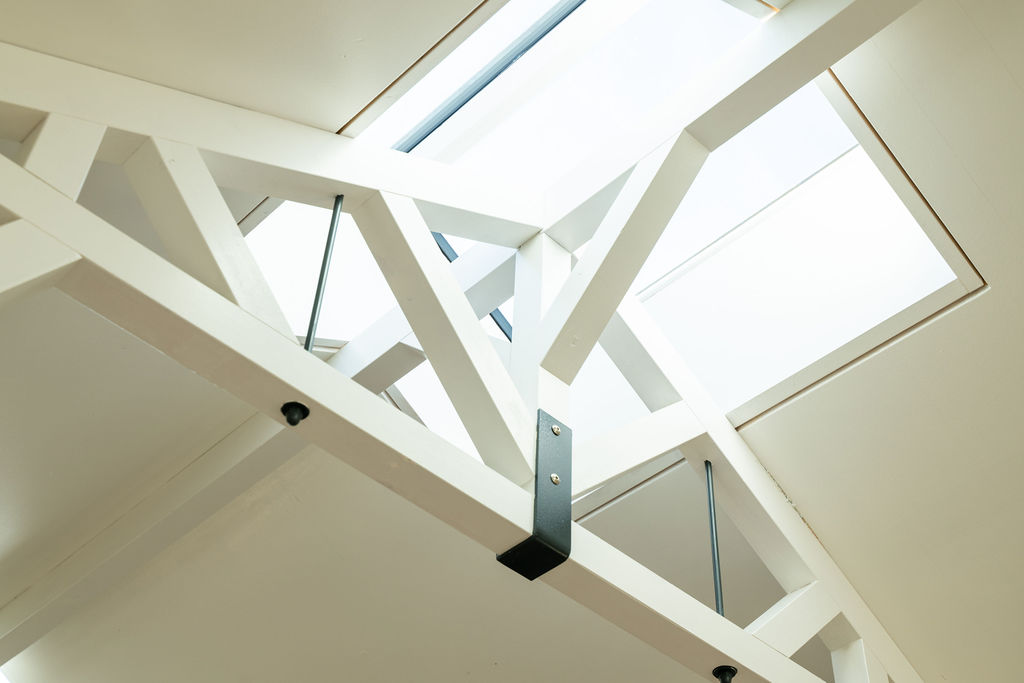
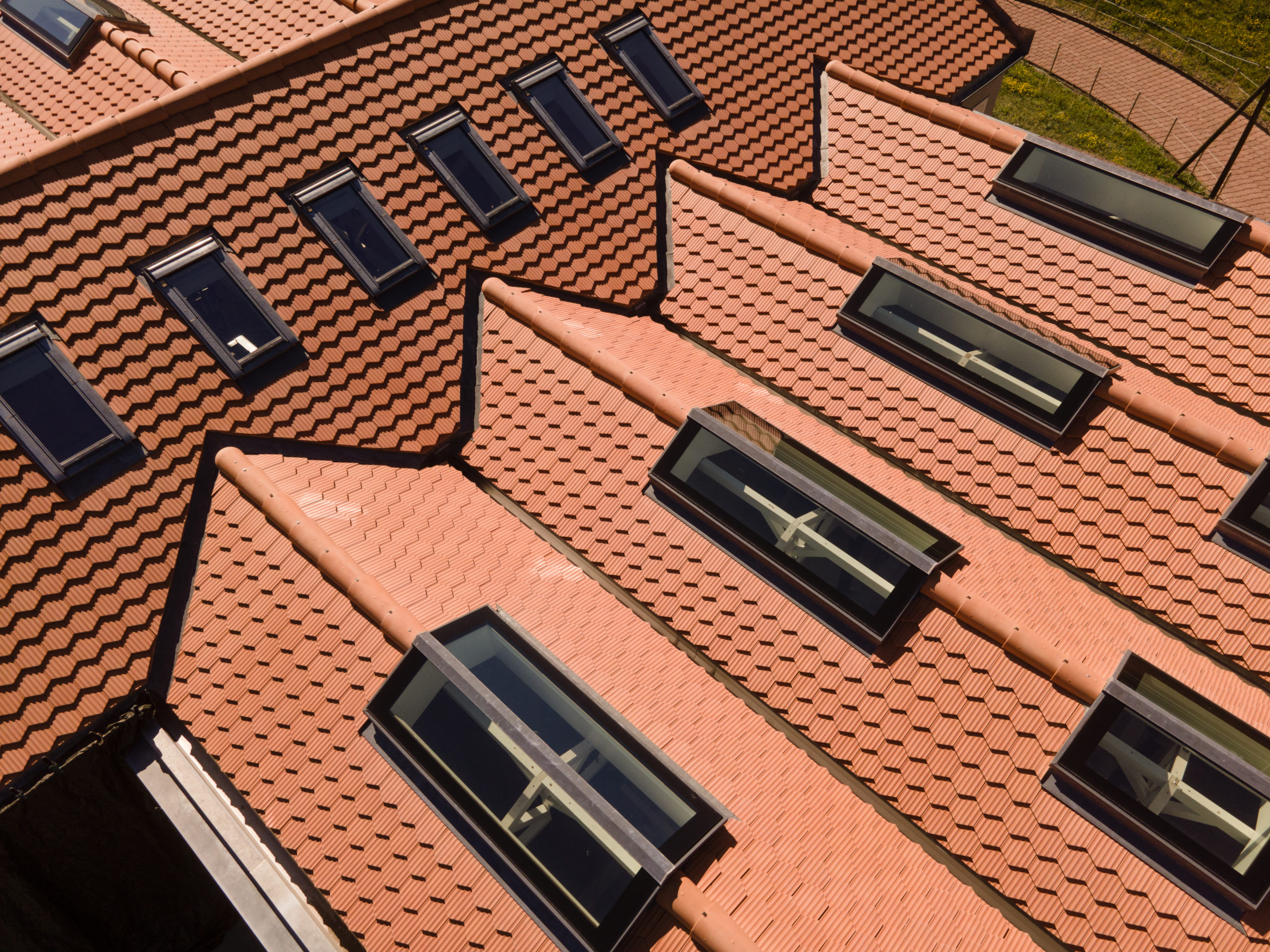
The construction of the Swiss Museum of Live Steam Modelling required an approach that was technical, precise and respectful of railway heritage. Each stage of the project has been designed to reconcile the constraints linked to the operation of the Swiss Vapeur Parc, the integration of the building into its environment and the faithful reproduction of the architecture of the historic depot from which it is inspired.
Specific construction choices have made it possible to adapt this emblematic building to the needs of a modern museum, while maintaining its railway character. The result is a unique building, custom-designed to house, preserve and showcase the Foundation’s collections.
Financial support




The building and museum project is also supported by numerous private donations.